✍️ Article Body
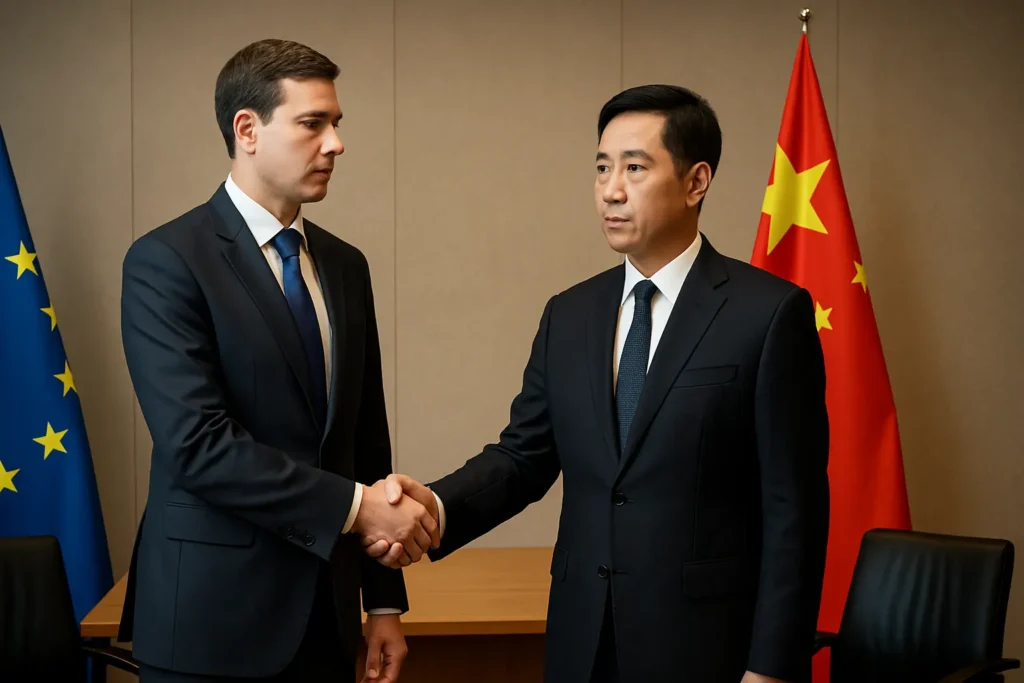
Following a high-level meeting in Brussels, the European Union and China have pledged to continue dialogue on export control measures, particularly those concerning critical materials like rare earths and semiconductors. Reuters+2uk.finance.yahoo.com+2
China confirmed that the suspension of its newly expanded export controls, announced in October, will apply to the EU for at least one year. Reuters+1
This pragmatic decision marks a subtle shift away from immediate escalation and signals that trade, rather than confrontation, may dictate the next phase of EU-China economic relations. From a European vantage point, this is especially relevant because many EU industries depend on Chinese-sourced rare earths, components for mobility, renewables and defence. Financial Times+1
Why this matters:
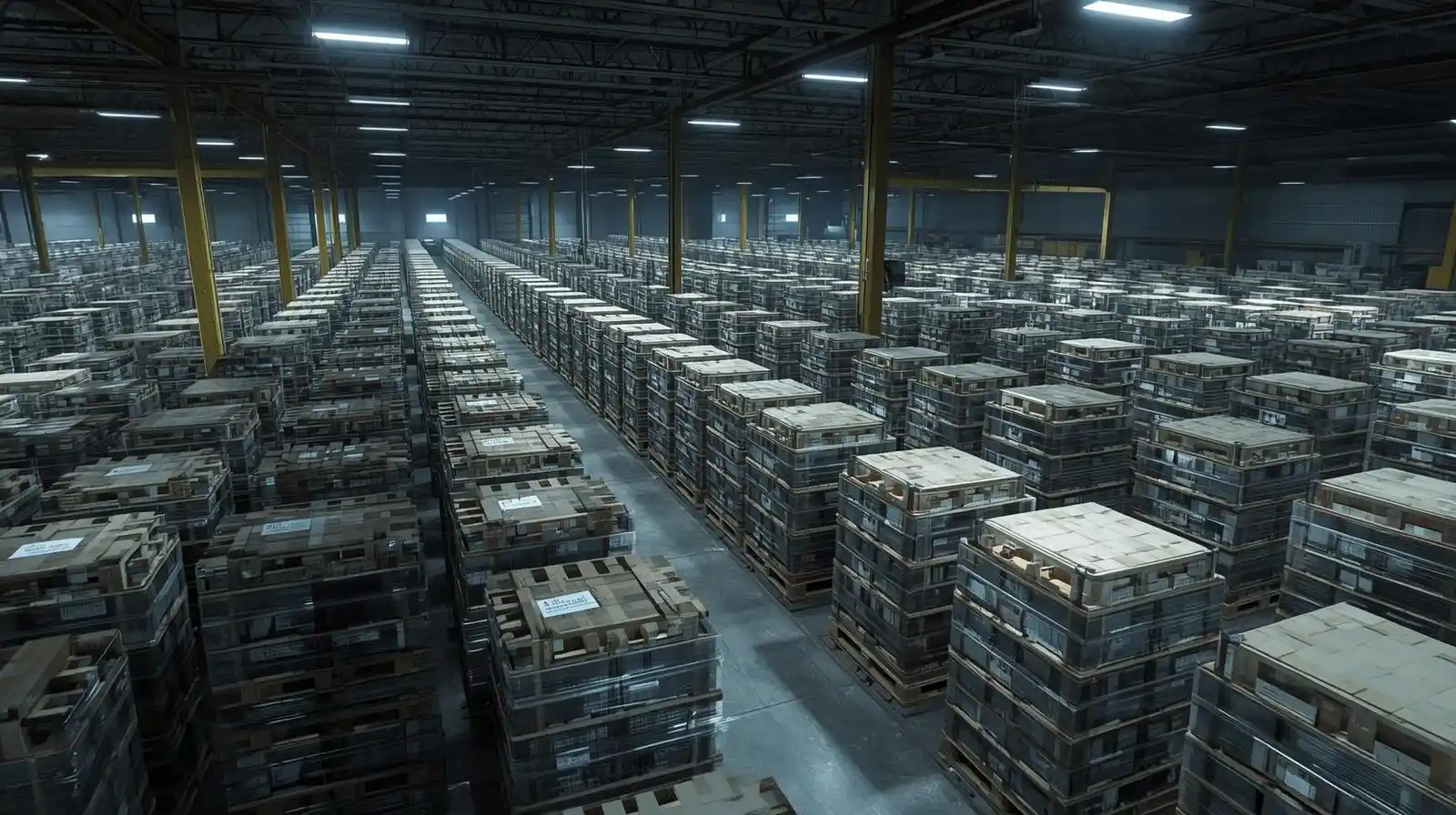
- Rare earths and semiconductors lie at the intersection of tech policy, economic security, and geopolitics. China controls a significant share of processing for these materials, giving it leverage in global supply chains.
- The EU’s decision to engage rather than retaliate immediately underscores recognition that supply-chain disruption hurts manufacturing, especially in the automotive, electronics, and renewable sectors.
- For enterprises in India and globally, the EU-China outcome offers a template: trade policy is increasingly tied to security risks, and diversification (of both supply and trade partners) is now front-and-centre.
Key terms of the arrangement:
- China will pause its newly announced export control expansion for at least one year in relation to EU trade. Reuters+1
- The two sides will continue engagement and dialogue on policy implementation and licensing frameworks for dual-use goods and materials. Reuters+1
- The discussions also touched on specific cases such as the Dutch-based chipmaker Nexperia whose Chinese-owned unit had come under regulatory scrutiny — reflecting tech/control entanglement. uk.finance.yahoo.com+1
Implications for Europe & supply chains:
- Manufacturing relief: OEMs in Germany, France and beyond may see lowered risk of sudden bans or export-interruptions, allowing for calmer planning cycles.
- Investment signals: Investors may treat this as a sign that EU-China trade may stabilise temporarily, although longer-term diversification will still be required.
- India and third-party vantage: Indian firms supplying components or services to European/Chinese supply chains can use the window to evaluate risks, align compliance, and consider alternatives.
- Policy pivot point: The EU’s balancing act reflects a broader shift: rather than blanket confrontation, there is a growing emphasis on co-regulation, dialogue, and strategic cooperation, albeit under cautious terms.
Watch-points for coming months:
- The nature and pace of licensing decisions by China for rare earths or dual-use goods under the paused expansion.
- EU’s internal coordination whether member states align behind the Brussels deal or push for tougher measures.
- How other supply chains (e.g., Indian, Southeast Asian) respond: do they seize sourcing shifts or wait for further signals?
- Any emerging cases where China leverages export controls for geopolitical pressure, possibly targeting non-EU partners to send a message.
“Change your thoughts and you change your world.” — Norman Vincent Peale
🧠 FAQ
Q1: What triggered the export-control talks between the EU and China?
A1: China had announced expanded export controls in October covering rare earths and related technology, citing national security concerns. The EU raised alarm about supply-chain risk impacting European manufacturing.
Q2: What does the pause mean for EU industries?
A2: At minimum, it offers a one-year window of reduced risk for sudden export bans from China for European companies. However, it does not eliminate longer-term dependence hazards. Reuters
Q3: Does this mean the trade war is over?
A3: No. While the pause is constructive, deeper structural issues (supply‐chain dependency, dual-use tech, geopolitical leverage) remain. Diversification and resilience are still necessary.
Q4: How might India benefit from this development?
A4: Indian firms can leverage the shifting landscape by positioning as alternative suppliers or partners in tech/manufacturing, aligning with both European and Chinese ecosystems while being vigilant about regulatory controls.
Q5: What risks should businesses watch now?
A5: Licence applications or export approvals could still be delayed. China may deploy other tools (tariffs, subsidies, informal restrictions). Businesses should maintain contingency planning and monitor policy announcements.